You may or may not have heard of Sylvia Plath, a famous yet controversial poet and author who made a significant and lasting impact on modern literature. While her work has been widely celebrated, it’s important to recognize that she was not without her flaws, including problematic views and language that reflect some of the more troubling attitudes of her time. She was a prolific and authentic writer whose raw and honest voice continues to resonate deeply with readers.
Today, we’re going to focus on her fig tree metaphor from her famous book “The Bell Jar”, which I believe is one of her most important and thoughtful contributions, and analyze it in depth.
*I’m reading this with the understanding that Esther, the main character of The Bell Jar, serves as a kind of alter ego for Sylvia Plath. So when I talk about the fig tree moment, I’m referring to Esther’s experience as a reflection of Plath herself. If that’s a misreading, please feel free to correct me — I’d love to learn more!
Let’s read it first.
“I saw my life branching out before me like the green fig tree in the story. From the tip of every branch, like a fat purple fig, a wonderful future beckoned and winked. One fig was a husband and a happy home and children, and another fig was a famous poet and another fig was a brilliant professor, and another fig was Ee Gee, the amazing editor, and another fig was Europe and Africa and South America, and another fig was Constantin and Socrates and Attila and a pack of other lovers with queer names and offbeat professions, and another fig was an Olympic lady crew champion, and beyond and above these figs were many more figs I couldn’t quite make out. I saw myself sitting in the crotch of this fig tree, starving to death, just because I couldn’t make up my mind which of the figs I would choose. I wanted each and every one of them, but choosing one meant losing all the rest, and, as I sat there, unable to decide, the figs began to wrinkle and go black, and, one by one, they plopped to the ground at my feet.”
— Sylvia Plath, The Bell Jar
My thoughts:
I like this a lot because it’s very accessible, as someone who often finds a lot of metaphors difficult to interpret and appreciate, I think this one speaks to you immediately. It’s grappling with the difficulties that come with having just 1 life, something that a lot of us understand but can’t necessarily articulate all the time because are thoughts and imaginations are so packed and packed with the multi-faceted versions of what could be. Add the fact that we don’t have much time to really decide and the fear of regretting a choice is simply terrifying. Plath here is presenting this problem to us in the form of a Fig Tree. I really love that, I mean it takes a precarious and introspective thinker to take something as metaphysical as indecisiveness, and translate it into something physical: as a tree.
She emphasizes the tantalizing nature of every outcome, by saying, “a wonderful future beckoned and winked”, it makes the ultimate decision all the much harder, how do you decided what future is more wonderful, more spectacular and more brilliant than the other when you have no idea how things will really play out? If that rosy façade will crumble, the second you indulge in it. When I put on my Plath lenses, I see it as like being young in front of a ocean, a mix of gorgeous blue and green where your tempted to just dip your toes in it but you’re nervous and unsure. The water could be cold and make you shiver upon making contact or as you step further and further it engulfs your knees pulling you deeper and deeper in to a point where you might just be submerged. It’s unpredictable, and that’s the beauty of it. Plath’s figs include a “husband and a happy home”, “a famous poet”, ” a brilliant professor” and many more as you can see above, and what I find interesting is how the futures she’s describing are particular not general, it’s really showing the idyllic and possibly unachievable nature of what she’s craving here. For instance, she could be a “famous poet”. Famous is important here, it’s stating boldly she doesn’t just want to be just a poet. Any random unknown poet, sitting uncomfortably in their home, scribbling in messy journals with eternal cups of cheaply, badly made coffee (I think) won’t do, she wants to be a famous one. Glamourized, eternalized in her tongue-tied words that the masses probably won’t understand, that’s her dream. I don’t know, am I reading too deeply into it or are the adjectives actually playing a crucial part in showing the audience that this fig tree could never be real, its fat purple figs are all perfect, all strikingly beautiful with no faults? Is that why this fig tree stays simply as a metaphor and nothing more, why none but one of these figs come into fruition? Because there’s no recognition of the ugly parts?
The inability to choose, the preference to sit there and indulge in the imaginations leads to the Fig tree inevitably losing it’s allure. Each of Plath’s alternate lives dissappearing in her very eyes, “plopping to the ground at her very feet”. Heartbreaking. Another thing to hate about the act of being alive as a human. I see it as an insatiable greed. Where Plath can acknowledge that she wants it all but she can’t do anything about it. Even in this poem where anything could be turned into Aeroplanes or a leather shoe if she really wanted to, she keeps it honest and realistic, even in this world consisting of just her and this fig tree she doesn’t have the power to take all of those figs. I think that she’s telling us that we as humans never have that privilidge, that power to have it all even in our metaphors, even in our dreams. We are only permitted to ponder and watch and agonize, that’s all we’re really good for. So I imagine that after these figs dissolve into nothing and the fig tree is no longer seductive, Plath is snapped back into reality. It’s back to earth where you can’t pick what you want, the future is a result of all the choices you make in the present. It’s not a pre-set MOD. It just comes when it comes.
So that is that. My thoughts on reading this part of the Bell Jar. I think it’s kind of cool that Plath unknowingly did grasp onto one fig, as it may have been withering away into the void. A famous poet.
I want to hear what you guys think, I really really really love hearing other perspectives and I think it would be even more amazing to hear them with a work like this. Send an email to thespyderblog@gmail.com if you’re willing to and title the subject as “Response to The Fig Tree Post” and we’ll feature you on the blog (please add your name, and any social media handles if you would like) or make a video on TikTok tagging us @thespyderblog so we can repost and share some love!!
As always, wishing you the best and hope to see you in the next one.
Deb, from Spyder
(Where all the love goes)
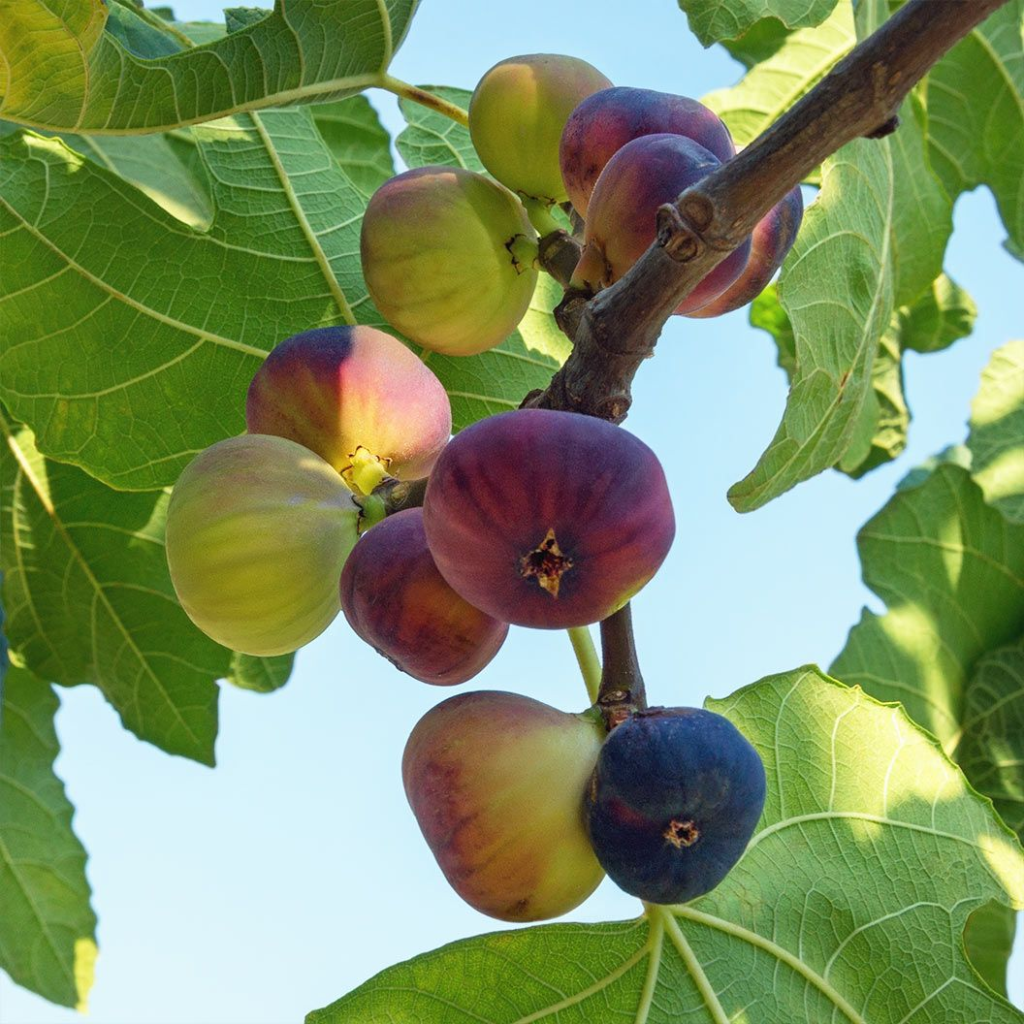
[ taken from pinterest]
 Spyder