[the graphic tee isn’t just a piece of clothing. It’s a billboard for your soul. A walking meme. A protest sign. A diary entry. And sometimes, just a really cool shirt with a dancing skeleton on it. Either way, it says something even if it’s just “I haven’t done laundry in a week.” ]
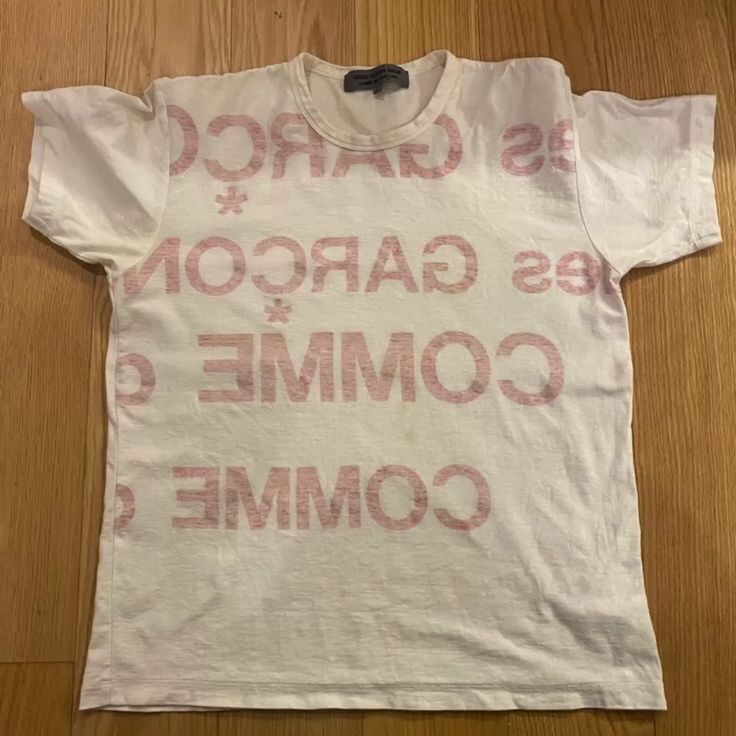
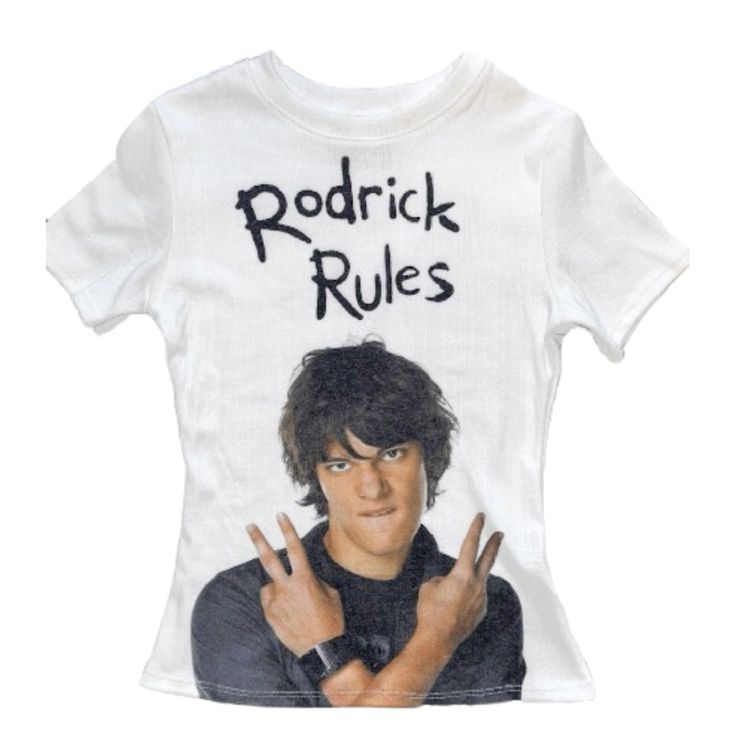
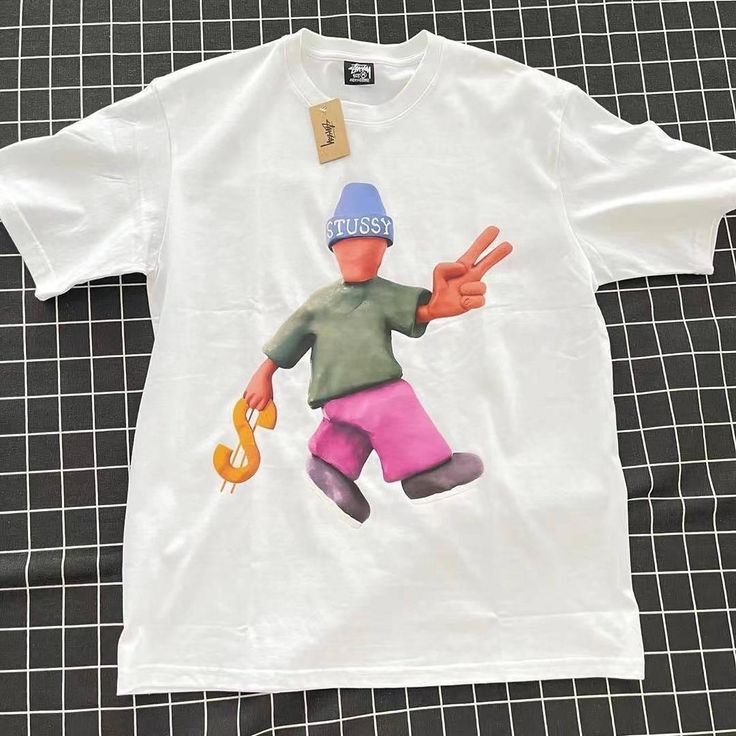
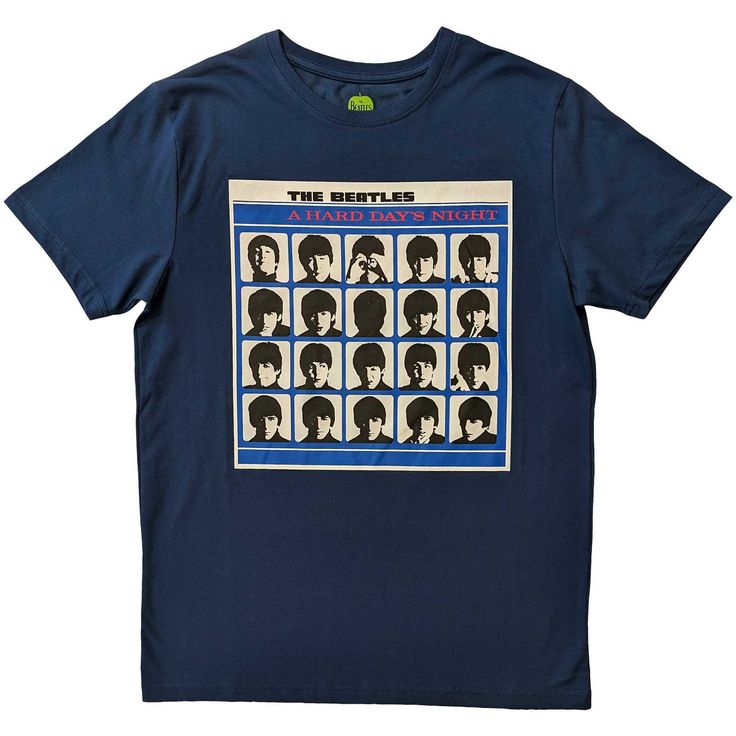
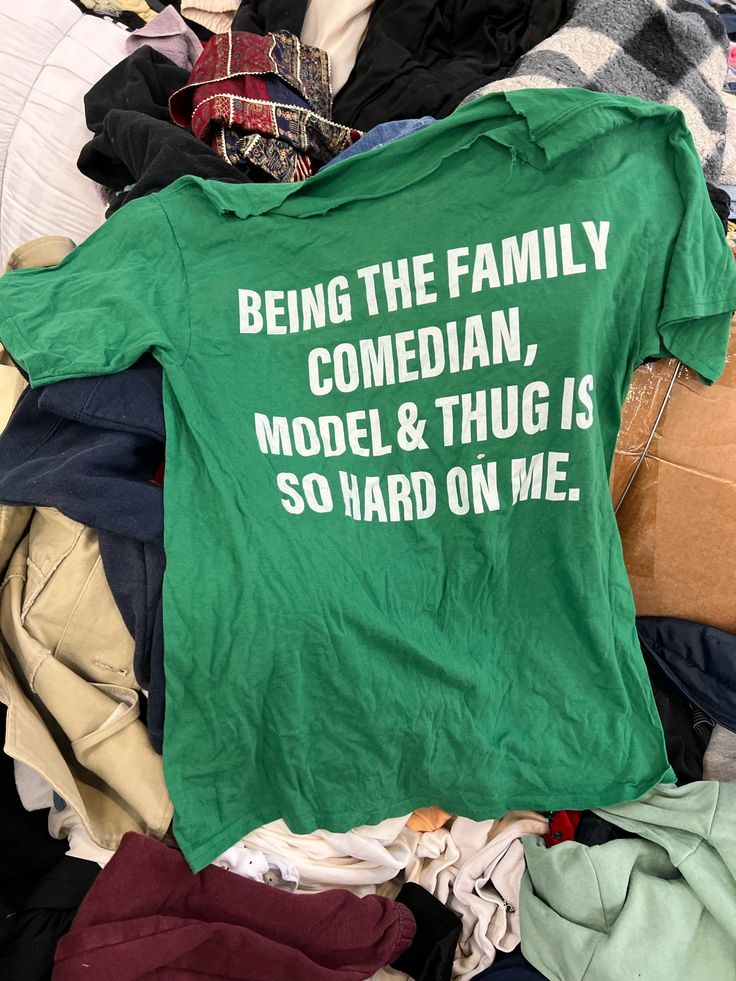
⬆ see some examples above
The T-shirt started off in the early 1900s as a military undergarment, lightweight, cotton, and very not fashionable. By World War II, American soldiers were wearing them solo in hot climates. Function over fashion but still, a shift.
After the war, veterans came home and brought the T-shirt into casual, civilian life. Enter Marlon Brando in A Streetcar Named Desire (1951) and our all-time favorite, James Dean in Rebel Without a Cause (1955)—two film icons who made the plain white tee look like rebellion.

But when did it start talking back?
The first printed T-shirts are believed to have appeared in the 1930s, but they were mostly promotional, think: Disney’s The Wizard of Oz shirt in 1939, reportedly the first ever licensed graphic tee.
But it wasn’t until the 1960s and ‘70s that the graphic tee exploded as a tool for expression. The counterculture movement was in full swing. People were printing anti-war messages, civil rights slogans, psychedelic art, band logos, and bootleg everything onto their chests. If you had something to say, you didn’t need a soapbox, you needed a screen printer.
This is when the graphic tee stopped being clothing and started being culture.
ICONIC MOMENTS IN GRAPHIC TEE HISTORY:
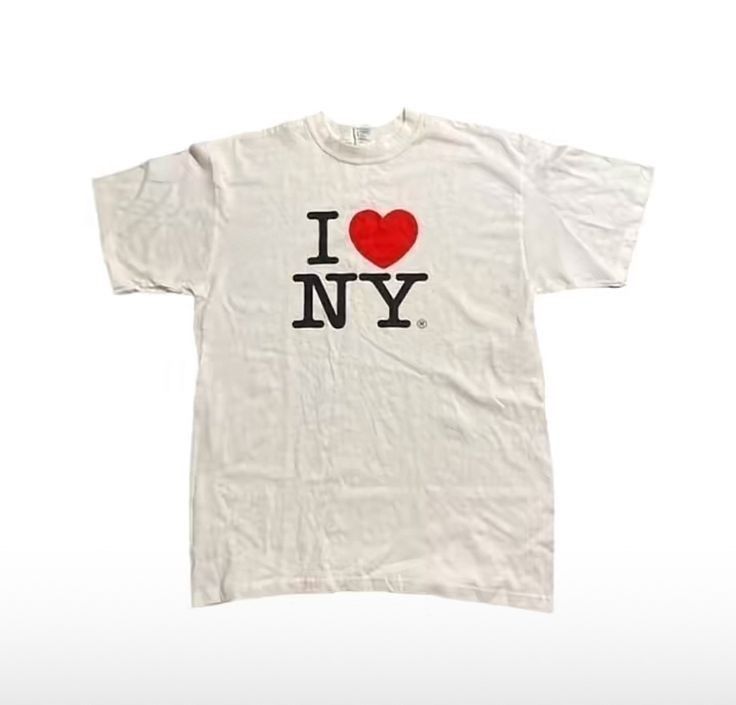
1977: “I ❤️ NY” by Milton Glaser – Designed to revive New York City’s image. It ended up everywhere from airport gift shops to high fashion editorials.
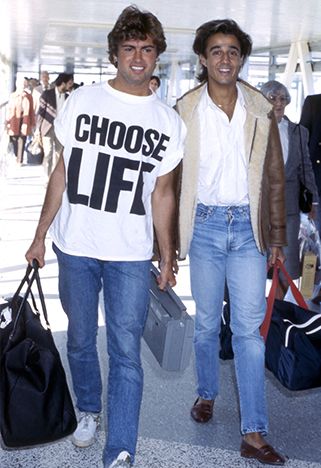
1984: Wham!’s “CHOOSE LIFE” tee – Worn in the “Wake Me Up Before You Go-Go” video. Bright, bold, anti-drug, anti-war and instantly iconic.
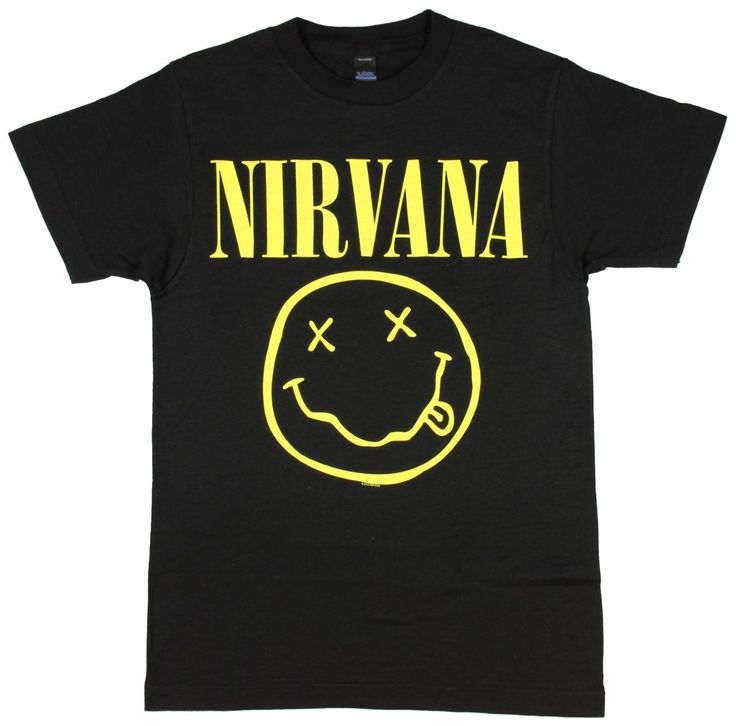
1991: Nirvana’s smiley face tee – Part grunge, part mystery. One of the most bootlegged shirts ever made.
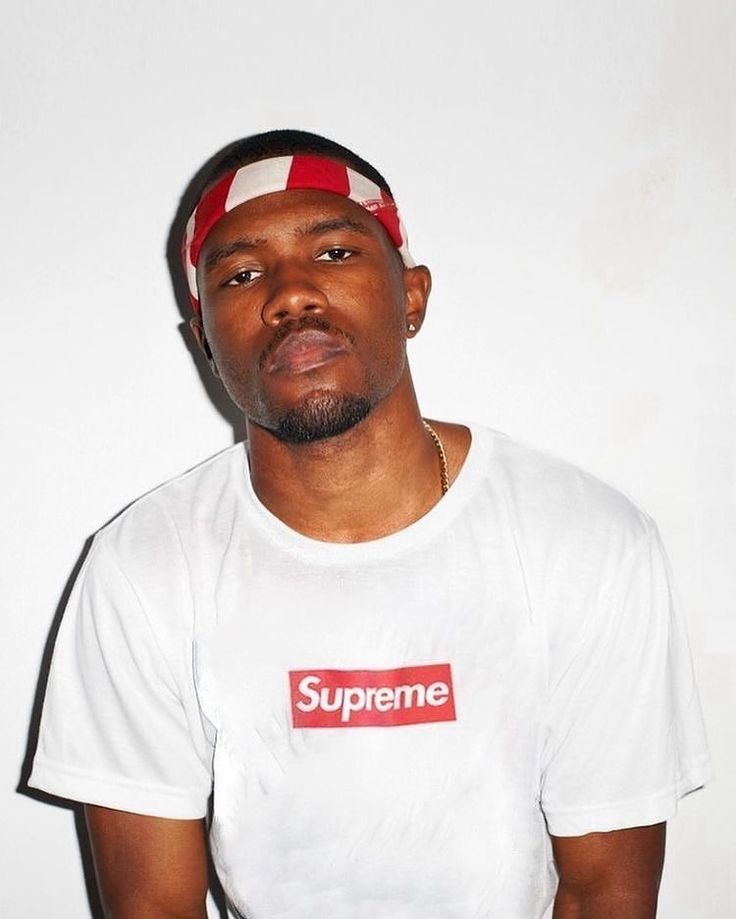
Supreme Box Logo Tee (1994–now) – A plain white tee with a red rectangle and yet, it launched streetwear into the stratosphere. Limited drops, long lines, resell chaos. It’s not just a shirt, it’s a symbol of hype culture and controlled scarcity done right.
2003: Vote for Pedro – From low-budget cult film to pop culture gold.
2000s–present: Band tees as fashion currency


[ Tell us some more famous graphic tees we missed out!]
SO WHY DO WE STILL CARE?
Because graphic tees are honest. They shouldn’t beg for approval, they just exist. Whether it’s a political message, a dumb joke, or a $400 designer flex, a graphic tee should let you broadcast exactly who you are without saying a word.
They’re relatable, because we’ve all worn one too tight, too stained, too often.
They’re funny, because irony and nostalgia are never meant to go out of style.
They’re real, because they’re democratic. A $10 thrift store tee can out-style a thousand-dollar jacket any day, if worn right.
The graphic tee is identity, internet humor, and personal branding and so much more stitched into one glorious piece of cotton. It’s protest. It’s art. It’s fashion. It’s a phase. It’s a lifestyle. And honestly? It’s not going anywhere for a long time. They’re protest gear, fan merch, fashion statements, and jokes that live on your chest. They’re serious and unserious. And that’s the magic.
So keep rocking that Naruto or Radiohead shirt. You’re making history—one wear at a time.
 Spyder